Wunder der Natur: Die Hefe hält uns jung
11. May 2023

Miracle of nature: yeast keeps us young

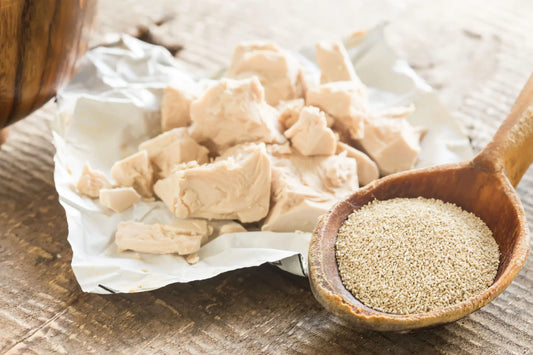
For beer brewers, yeasts are wonderful helpers on the way to aromatic beers. The yeast research in the brewery laboratories is therefore limited to optimizing the fermentation properties.

A friend drew my attention to a book that, among other things, provides a completely new perspective on this miracle cell: Aging Research.

What? Yeast, the new Fountain of Youth?
This medicine in aging research is called Epigenikum and this area has discovered yeast!

You can read: “The End of Aging”, Prof. Dr. Matthew D. LaPlante, researcher at MIT in Boston, among others, Dumont Verlag, approx. 500 pages. Also available as an audio book.

Matthew describes in detail what happens with aging. A complex story. For example, it was found that in many cell nuclei there are unexplored structures that play a crucial role in the development of diseases or in the aging process. By activating the correct genes, one tries to rejuvenate the organism. In other words, influencing the aging process. An old dream of humanity! 

We are related to yeast

Although our “relationship” with the yeast cells is a billion years of
evolution away, we obviously still have a lot in common: The top-fermenting brewer's yeast.
The good old Saccaromyces cerevisae, as the top-fermenting brewer's yeast is technically called, shares with us about 70 Percent of our genes.
Yes, exactly: 70 percent!

And with these shared genes, the yeast essentially does the same thing as us humans: it wants to eat or reproduce. Quote: hungry or horny…

As they get older, the yeast cells slow down, just like we do. At the same time, they (also) become larger, rounder and less fertile. While this process takes decades in humans, in yeast cells it takes place within a week. That's why yeast cells are a good starting point if you want to understand our aging.

Rejuvenation potential

Research has now recognized that brewer's yeast has the potential to tell us a lot about ourselves quickly and in depth. Because if you can decode the aging process of yeast, there is a very good chance that you can transfer these findings to humans. Logical but perhaps not entirely simple.

We have now even managed to double the viability and reproduction ability of the yeast cells with appropriate interventions. Old laboratory mice that were fed dried yeast cells treated in this way became fit again. In their old age they even broke the pedal wheels in their cages! To date, not even young mice have managed this.

So let's wait and see whether we'll still be running the marathon when we're 100 years old or whether we'll be managing a brewery. In any case, I have postponed my resignation until further notice!😊

Friendly with the yeast
I don't dislike my new relationship with brewer's yeast. There are worse relatives. In the future, I will greet them in the fermentation vat with a friendly “Hello, boys” and hope that the next one will be Sip Josefi, with the fine yeast cloudiness, like a small rejuvenation treatment.

Cheers! 🍻

Martin Wartmann, beer brewer

Back to blog