Serve beers
The guest today wants it to be uncomplicated, “casual” in modern German. No more damask cloth, crystal glass and 4 pieces of silver cutlery but: wooden table, fabric set, friendly service and uncomplicated, but still in top quality: tasteful, with style, sophisticated and new. You drink whatever you feel like. It doesn’t always have to be “just” wine. Non-alcoholic drinks, jus or a good beer are definitely possible and trendy. The motto is better less – but a little better. Recommending is the order of the day: how does it taste, where does it come from, what does it go with? The new beer culture is cultivated, has style and is uncomplicated. It has a few but different rules:
Temperature: No longer always freezing cold. The taste is lost due to the cold. Except for very bitter beers. The fuller and more aromatic the beer, the warmer it is (10-12 degrees). The lighter, leaner and “emptier” the beer, the colder it is (5 degrees). Heavily hopped beers tolerate little heat, otherwise the bitterness becomes unpleasant.
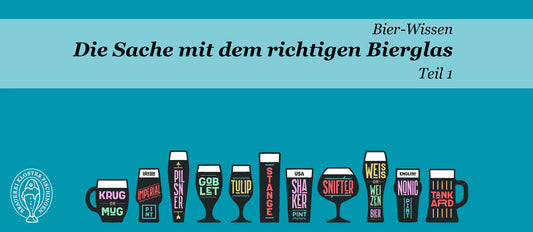
Glass: Nothing with beer bars and a faded logo. Fine beers should never be served in a beer glass! Red wine glass, Burgundy or Bordeaux, are the more suitable container. You drink simple standard beers from the bottle at a standing aperitif, sometimes even at the table. The glass diameter and the glass wall influence the color: the larger or thicker the beer appears, the darker it appears. Light beers are therefore served in very slim glasses, except for serving by the glass, there is no need for promotional beer glasses. Glasses tapered at the top stabilize the foam hood and make smelling easier. However, every glass should always be clean, free of grease and without any detergent residue. They should be washed without perfumed detergents. For a good foam, rinse the glass with cold water before pouring.
Pouring: Sharing beers with friends is the order of the day. “1 man – 1 bottle” is over. The small bottles are also shared. 37.5 cl is just right for two glasses for an aperitif. You can drink light lagers from the small bottle. If you want to do it from the big bottle, then only at the “Forest Festival”. Gourmet beers are poured into the glass. Just like wine: pour slowly into a standing glass without holding it at an angle and only half full. Gourmet beers, mature beers anyway, produce little foam. Therefore, pour into a standing glass and do not fill it up to the edge of the glass. You can let the guest pour the drink themselves, which is part of the enjoyment experience. Otherwise, the same rules apply as with wine - the gourmet bottle also belongs in the cooler if it would be appropriate for wine.
Tasting - and how to talk about it
Eye
Foam stability: stable, like cream, loose, little, scarce, no foam
Foam structure: fine bubbles, coarse bubbles, "fat eyes"
Colour: light yellow, golden yellow, gold, amber, amber, dark, dark with a red tinge, black
Turbidity: brilliantly clear, clear, slightly opal, light Cloudy, cloudy, yeasty, foggy
Nose
Hop notes: citrus, floral, tea, fruity, wood, spice, berries
From the malt: coffee, roasted notes, roasted almonds, cocoa, caramel
From the yeast: Bananas/cloves, estrig, alcohol, lavender, vegetables
Palate
Tip of the tongue: recent, tangy, sour, biting, stale, lame
Palate: sweet, sour, salty, bitter in variations
Suppository: Bitter, lingering not lingering
Overall impression
Umami: full-bodied, savory, pleasant, drinkable, clean (considered the fifth quality of the sense of taste alongside sweet, sour, salty and bitter)
“You don’t drink beer with a good meal”
Habit rooted in the traditions of “better society”. However, it is disappearing more and more. Just like the damask tablecloth, the silver cutlery and the crystal glasses. Uncomplicated is the name of the game. “Casual – but good”. And beer goes just as well as a glass of wine. We think it's up to each individual what they like to drink. Covered wine glasses can also be used for gourmet beers: the lady takes it from the white wine glass. He from the red wine goblet.
Tips to accompany meals
Almost all starters go well with beer: cold starters, seafood, salad, dried meat – Triple Bonde goes perfectly with it. However, bitterness does not go well with delicate dishes: intense bitter beers such as India Pale Ale should be enjoyed with appetizers with caution. Vinegar is the enemy of fine wine. All dishes prepared with vinegar require beer: salads, sauerkraut, sauerbraten... cured, smoked, pickled and spicy Asian, Chinese or Mexican dishes that go perfectly with beer.
Price-performance
Food and drinks should be in balance in terms of value. The drink should not exceed the price of the meal. But don't stay significantly below that either.
Gourmet beers for an aperitif
Nuessli, chips, warm white wine, carton orange jus and mineral water “with” or “without”... Who doesn't know it, the standard Swiss aperitif. Included: A container with ice, a few bottles of well-kept beers, with and without champagne cones, served in wine glasses - the perfect upgrade for any aperitif. With gourmet beers you can turn the aperitif into a little experience with little effort.
Food and gourmet beers
There are few dishes that cannot be matched with a beer.
Creative tips
- Bière d'Abbaye or other aromatic beers are ideal as an aperitif. 37.5 cl bottles are easy to share and the price is right.
- Bière d`Abbaye Triple Blonde and various fine cheeses, especially soft cheese or blue cheese with nuts, are an excellent combination.
- Bière d`Abbaye Brune or Noire and dark chocolate ignite a real firework of flavors on the palate.
- Seafood, fish or mild meat and aromatic barley wines are a poem.
- Sweet beers such as milk stout, imperial porter or Belgian blanches with desserts are a perfect surprise.
Cooking with beer - a few tips
Nothing comes from nothing: the light, fully fermented thirst-quenching beers don't have many flavors left, apart from alcohol, which evaporates. Except bitter substances from hops. However, you can quickly feel this unpleasantly, especially when cooking. For this reason, bitter beers should never be used in cooking. Aromatic and not very bitter but strong beers with an appropriate alcohol content are suitable for cooking. Depending on the dish, only light or black:
Bière d'Abbaye Blonde: typical aroma, fine coriander taste
light wheat beers: fine clove-banana engout
Bière d'Abbaye Blanche: sweet nuance of bitter orange peel
black milk stout: “Birramisu”, chocolate dishes
Bière d'Abbaye Brune: more aromatic, slightly sweeter Body to flesh