Craft beers matured in wooden barrels – so-called barrique maturation
It all started with beers aged in wooden barrels - barrique maturation - again with the innovative American homebrewers at the beginning of the 90s. I first stumbled upon this story at Goose Island in Chicago and later Firestone Walker in California. In 1966, as an intern at Müller Bräu in Baden, I “slipped” (cleaned) real wooden barrels and burned them out with sulfur cuts. And experience for yourself what happens when the bottom of a wooden barrel is knocked out and 4,000 liters of beer pour out. Shortly afterwards, the old cellar was cleared and filled with steel tanks. They were probably the last wooden barrels in the Swiss beer world for the time being. And now she's coming back? Upside down world.
The craft brewers wanted to know
At the Craft Brewers Conference in Washington, I think in 2012, a young brewing engineer from Belgium gave a talk on barrel aging. She examined the three main flavor factors and their origins in detail. I understood in detail what wood barrel aging was all about. The final sentence of the presentation – somewhat abbreviated – “forget about aging in wooden barrels, you’ll never get it under control” wasn’t exactly encouraging, however. The lady came from product development at one of the large corporate brewers and wrote her work from the perspective of an industrial brewery. Beers that are as similar as possible are required. For a small craft beer brewer like PILGRIM, things look completely different. We don't want "similar beers" but rather exciting and differentiated enjoyments, with stories and experiences behind them.
Fortunately, I took photos of the sheets for this presentation. They did not appear in the database as usual.
Wooden barrel know-how
Contacts with wooden barrel companies in Germany and France, conversations with French wine specialists and Portuguese port wine professionals, and a meeting with Axel Kiesby in Salzburg slowly laid the foundation for my modest knowledge of wooden barrel maturation of beers. The topic is complex and exciting. I became increasingly fascinated by it. Many tastings of the first “wood barrel-aged” wines gave me an idea of the taste potential. But also the problem of incorrect fermentations, which crept into every second tasting sample!
The mystical powers in the old monastery cellar
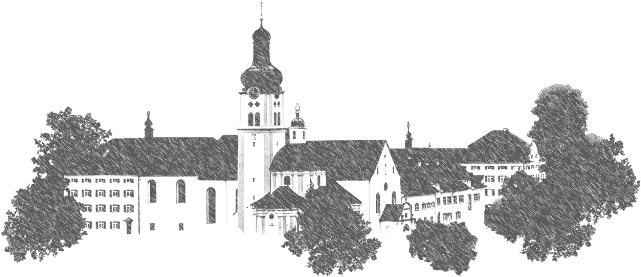
When I accidentally discovered the old monastery cellar in the Benedictine monastery in Fischingen, the idea was obvious: PILGRIM Grand Crus, matured in wooden barrels, stored in the 300-year-old monastery cellar. With the kind support of the unique mystical powers of the place and its history!
But it still took some effort before the idea worked. First we had to clean up the neglected cellar and dispose of the potato piles from the war years. We then installed power lines and renovated the natural floor with the ancient floor tiles that were fortunately still there. We weren't allowed to do anything to the vaulted ceiling - the "holy rooms" of the monastery are above it. Nobody knows exactly how the ceiling is constructed.
Because there was no water or drainage, a small shaft had to be built. We now pump the wastewater from the shaft into the sewer system. We connected the cellar to the brewery with pipes: water, ice water for cooling the four small buffer tanks, IT cables and two product lines for the beers. It takes two to clean the circuit. The insulated lines lie in a deep trench between the brewery and the cellar and run through the 3 meter thick foundation walls of the monastery (we know from drilling how thick these walls really are).
Young beer from open fermentation
The fermented young beer flows from the open fermentation vats through these pipes into the buffer tanks in the monastery cellar. From there it is distributed to the barrels using hoses and so-called “goosenecks,” where we let it mature for months. The cellar climate needs special attention. To ensure that it stays as consistent as possible, we constantly monitor temperature and humidity. We also have to make this data available to monument preservation. 72-75% humidity is optimal. If the air is too dry, the barrels begin to leak. And if it gets too humid, mold quickly appears on walls and barrels. The temperature behind the thick walls is between 12 and 18 degrees, optimal for the ripening process. At this temperature the wood “breathes”; the pores open with heat and close again with cold. A little water evaporates through the wood - the so-called "angel's share" - and also influences the climate.
70 barrique barrels
There is space for around 70 barrique barrels in our cellar. The smaller barrels of 190 liters come from England and were used for whiskey and rum. The original barrique barrels have 225 liters and were filled with wine. Barrique was also a unit of measurement. The cellar almost
12 – 14,000 liters. If handled twice per year, that’s 70,000 small or 35,000 large bottles of PILGRIM Grand Cru champagne. Nothing more is possible.
Basically, we only use the smaller barrique barrels that were filled with spirits and only use beers with significantly more than 10% alcohol. We have found that “lighter” beers have too little “body” to cope with the intensive maturation and quickly become sour.
We can fill the barrels themselves twice. The beer from the first allocation is significantly different from the beer from the second allocation. We therefore make a blend from several barrels in the small buffer tanks, i.e. a mixture, with beers from the first and second occupancy. In order to avoid chaos in the diversity, we always use the same barrel types for our three barrique beers: rum barrels for our Belgian Blonde; Whiskey barrels for the Imperial Russian Stout and cognac barrels for the vintage beers. Our friends know what to expect.
PILGRIM Limited Edition
Changing barrels and changing beer styles offer plenty of room for varieties. So far we have brewed a Belgian Blonde Ale with around 12 - 13% alcohol every time and changed the barrels. Limited No. 1 to 3 were in Merlot casks, the Limited No. 5 came from the tequila barrel (was sold out immediately!). The current Limited Edition No. 4 matured in Chardonnay barrels. The Merlot and Chardonnay barrels from Ticino were an experiment in how wine barrels work. Exciting, wonderful aromas developed in the first serving. The current Limited from the Chardonnay barrels in particular impresses with a fine, fruity note with a noticeable influence of the grape. On the other hand, the second assignment for the wine barrels no longer worked. We had to “destroy” several hundred liters because the aroma formation and maturation did not proceed as desired. This means that the alcohol has been processed into schnapps.
The next Limited is currently maturing in other barrels in the cellar. We won't reveal what barrels are currently occupied - let yourself be surprised and stay tuned!

The beauty of these Grand Crus matured in wooden barrels with significantly more than 10% alcohol is their unlimited shelf life. You can easily stock up and always have a special surprise in the cellar for a special occasion, a visit or your own treat.
Did you know that you can also store the beers?
Would you like to take a look into the barrique cellar?
Every first Saturday of the month we do a Public tour through the brewery all the way to the mystical barrique cellar.

Martin Wartmann, beer brewer