The most important aromas when aging in wooden barrels in used rum, whiskey or cognac barrels do not come from the wood itself, but from the “history” of the barrel, which has left its mark in the pores.
The exchange between the liquid content, the beer, and the various substances in the wood depends on the alcohol content of the beer, the ambient air, the cellar temperature, humidity and time.
Barrique note
When it comes to beer matured in wooden barrels, it is no longer about the “wooden barrel taste” as you find in barrique wines and many spirits. You can still clearly feel the “woody note”. As is often mentioned, these do not come from the tannins. Tannins are tannins that are found in many plants; in wine we find them in grape skins and stems. They don't really have a taste themselves, but they do affect the mouthfeel. Tannins give the wine and/or whiskey structure and make it ageable. Because red wines already have a lot of tannins from the grapes, they are generally better suited for barrel aging than the much milder white wines.
Tannins in beer
There are basically only a few tannins in beer. That's why, in my opinion, beer and tannin from new barrels do not tolerate well. The tannins have an astringent and scratchy effect; they are poorly embedded in the beer without their own tannins. At most, it can develop better and improve drinkability in sour beers, some of which have very intense acid notes.
In barrels that have already been filled or have been used several times, the tannin content is only present in small traces. The beer doesn't become scratchy, but rather velvety-soft as you breathe. Nevertheless, wooden barrel maturation requires beers with a strong character, i.e. with the appropriate “body”, in order to be able to cope with the complex influences. In this way, a harmonious taste symbiosis can be formed.
Toasting
In addition to the tannins, the burnout, the toasting, has a big influence. At just 40 degrees, cellulose can transform into wood sugar and vanillin. In the subsequent heat phase, caramel-like flavors emerge. The barrel is then lined with a charcoal filter by burning it out.
Depending on the type of wood, this leads to different aromas. With barrels that have already been pre-filled for beer aging, this effect is only noticeable to a limited extent. That's a good thing, as the character of the beer is retained so much better.
Oxidation
The third factor is oxygen. Oxygen is basically an aggressive gas that reacts with many other substances. The so-called oxidation is a dreaded phenomenon in the winery and brewery. Wooden barrels allow some oxygen to pass through, which leads to oxidation of the flavors in the high-alcohol beers with their complex aromas. What is a gross taste defect in normal light beer becomes an exciting taste note in Grand Cru beer. The substances from the oxidation partially evaporate again when pouring. When it comes to wine, we call it “decanting.” As far as we know, there is no special term for beer.

Breathing
The exchange of the various flavor components in the wood or with the beer occurs through a kind of “breathing”. Because the barrel is full, there is a lower pressure than in the surrounding area and this slowly pushes the outside air through the wood into the interior. The various smells and flavors from the wood, but also from the environment, come into the beer. The various molecules then mix together due to the thermals inside the barrel. The enzymes from the yeasts from the unfiltered beers also play a big role.
Environment
The environment has an equally important influence on this ripening process and the resulting flavor formation. Temperature and humidity are crucial and foreign smells are very dangerous. Once they get into the wood through breathing, the damage is done. Barrels and beer are lost, in the worst case an entire cellar. The thickness of the staves and the temperature fluctuations are also important. They change the pressure conditions in the barrel and thus the breathing process.
Time
Wooden barrel aging takes time. In the first 4 or 5 months you achieve an initial exchange of the beer with the aromas of the pre-mix. Six months is the minimum to allow the entire spectrum of the environment and the wood to affect the beer. Of course, it's even better if you give the beer 12 months to let all four seasons take effect. Basically, as long as the environment is right: the longer, the better. Or simply “good things take time”. And that's exactly what we do with our vintage beers, which almost reflect the climate of the year!
Mysticism of the old monastery cellar
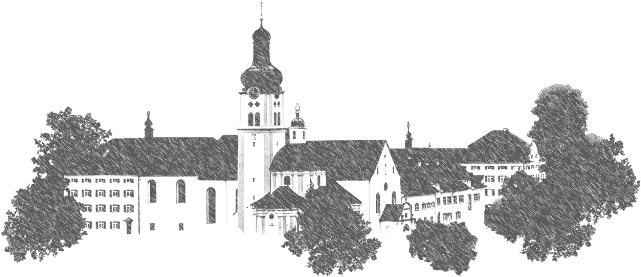
Our 300-year-old monastery cellar with its 3 meter thick quarry stone walls,
facing south, with small windows and secured by double doors, is the perfect maturing cellar. It never gets warmer than 18 degrees. And never colder than 12 degrees. We have to control the humidity a bit.
The priests built it for their wines. Now he gives our Grand Crus their unique character. We think there is also a pinch of the centuries-old place of power of the Fischingen Monastery in the beers. If you become completely still while enjoying it, you can clearly feel the good spirit of the cellar with every sip.


Would you like to take a look into the barrique cellar?
Every first Saturday of the month we do a Public tour through the brewery all the way to the mystical barrique cellar.

Martin Wartmann, beer brewer