Session beers (or simply session ales, lager or pale ales) are beers that you can drink large quantities of without getting drunk. The term has its origins in historic 20th century Britain. It was served to the hard-working men between shifts - the sessions or breaks. They were thirsty, but had to stay sober because they had to continue working afterwards. This was strictly regulated in the armaments factories, especially during the two world wars. You were allowed to go to the pubs during breaks, but only low-alcohol session beer was served.
Drinkability is the focus of the “Sessions” – it’s about freshness and a full flavor profile despite the reduced alcohol content. Session beers therefore often have special malt blends, intensive hops or are blended with other ingredients to compensate for the lack of taste caused by the lack of alcohol.
The most important features of Session Beers
- Alcohol content: Typically the alcohol content (ABV) is usually below 5.0% by volume (often even between 3.5% and 4.5%).
- Taste & Balance: Despite the low alcohol content, session beers should by no means taste watery. Brewers rely on a balanced balance of malt body, hop aromas or other additives so that the beer remains exciting in terms of taste.
- Light and tasty: The carbonation is often refreshing and the body is slim, so a second or third glass is easy.
Almost every classic type of beer can be brewed as a session version. The following are particularly common:
- Session IPA: Probably the most popular variant. It offers the full, fruity hop bomb (e.g. citrus and tropical fruit notes) of an American IPA, but with significantly lower revs (often around 4.0% to 4.5%).
- English Mild / Ordinary Bitter: Classic British pub beers traditionally designed for drinkability.
- Session Pale Ale / Light Blond Ale: Refreshing, uncomplicated all-rounders for the summer or social gatherings.
The difference between Sessions and Light Beer
They differ in the fuller taste due to special malts, other mash recipes and a more intensive hopping of session beers compared to the often fully fermented US light beers. In Belgium, sessions are often flavored by adding spices to compensate for the lower alcohol content. A typical example is Hoegaarden Blanche with only 3.5% alcohol, which tastes wonderful thanks to bitter orange peel. One of the first sessions...
The difference between Seasonals and Sessions
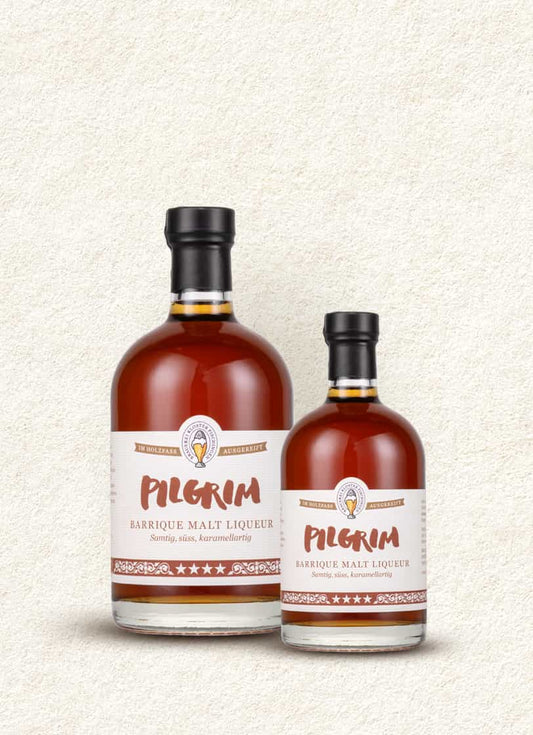
Many “beer connoisseurs” classify Seasonal as lighter beers. That's not entirely true - the name says it all: Seasonals focuses on the season and not the alcohol content. A Cherry Blanche is a typical summer beer and therefore a seasonal - but if it only has 3.8% alcohol, you can definitely call it a “session”. The PILGRIM winter beer, on the other hand, is a seasonal with a strong alcohol content - it could be around 6%
Low Alcs
In order not to cause confusion, we refer to all beers with significantly less than 4% alcohol as “low-alcohol beers” – so-called “low-Alcs”. These beers are based on a classic craft beer recipe. We compensate for the lack of flavor due to the low alcohol content with spices (Blanches, Session Blond), with wet fresh hops (Session Pale Ale Wet Hop), with fruits (Seasonal Cherry Blanche) or with tea (Mate Beer, Tea Beer).
It is our answer to the trend towards less alcohol in beer. It's difficult without alcohol: we stick to classic brewing recipes and our monastery-influenced philosophy, according to which we only brew beers that could have a connection to the monastery. This is the case with hops, cherries and various teas. You won't find beers with banana, peach or pineapple additives or artificial flavors here.