The new trendy beer is - usually - an energy guzzler. It may spare the liver, but it wastes a great deal of energy. A look behind the scenes at a brewery shows how complex dealcoholization is and how valuable energy is wasted pointlessly.
The trend is irreversible: under the label “Mindful Drinking”, a large part of the young generation is saying goodbye to alcohol and thus also to normal beer. Sales of classic beer are continually falling, while non-alcoholic beer is booming. Almost every tenth bottle will be a non-alcoholic beer - with or without flavoring additives.
Anyone who toasts their own health with a non-alcoholic beer after work is not doing the environment any favors. The production of alcohol killers has serious downsides from a sustainability perspective!
More energy for less alcohol
In the most common dealcoholization processes - vacuum distillation or reverse osmosis - a normal, alcoholic beer is first brewed. It is then heated with additional energy or pressed through filters to remove the laboriously created alcohol and artificial carbon dioxide is added.
This additional processing step consumes huge amounts of additional energy and water. In addition to the fermentation carbon dioxide, most of the aromas are also lost.
Even if you use the removed alcohol as a disinfectant or burn it in a steam boiler to generate heat, the basic problem remains: the most energy-intensive steps in brewing take place before the alcohol is removed - they become meaningless with the alcohol removed!
Malting the barley, germinating it and drying it with hot air, or if necessary roasting the grains, requires a lot of energy. This is followed by the mashing process in the brewhouse, where enzymes and temperature are used to break down the starch into sugar - maltose - and boiling water evaporates until the desired sugar concentration is reached. These processes consume up to 70 percent of the brewery's energy requirements. In summary – it takes a lot of energy to extract fermentable maltose from the starch of the malt grain.
The maltose, which was created with a lot of effort, turns the yeast into alcohol and carbon dioxide through fermentation in cooled tanks. Both - alcohol and CO2 - are lost during dealcoholization. What remains is a light-colored liquid with a maximum of 2-3% non-fermentable ingredients. Because alcohol is the carrier of odors and flavors, flavorings or fruit essences are often added to dealcoholized beer and carbonated with artificial carbonic acid. So that it at least tastes somewhat like something...
Dealcoholization systems are complex. The technology is sophisticated. Dealcoholization is an industrial process that is only worthwhile for large quantities. Non-alcoholic beers are therefore a lot more expensive to produce than “normal” beers and are therefore an exclusive “playground” for large brewers. Many smaller breweries therefore load their “normal” beer into cisterns and drive it many kilometers to an external facility - and the dealcoholized beer then returns to the breweries. “Going for a beer drive,” an expensive joke. Dealcoholizing costs money - it messes up the small company's margins and also fills the coffers of the corporations.
An alternative is special yeasts
In recent years, yeast research has made enormous progress. Today we know of yeast strains that ferment without producing alcohol. These so-called maltose-negative yeast strains do not ferment malt sugar. Fermentation stops before alcohol is produced. This saves the production step with dealcoholization. However, yeast and alcohol have a decisive influence on the taste of the beer. The aromas of the beers that are fermented with these yeasts differ significantly from the usual beer taste. This makes marketing complex. Apart from that, the unfermented maltose - malt sugar - remains in the beer and makes the non-alcoholic beer very sweet. Too much sugar is not desirable. The alcohol content has been exchanged for the high sugar content. Both have undesirable health consequences.
Producing non-alcoholic beers based on this special fermentation is feasible for small brewers, but it is not very easy technologically and requires some experience. Large breweries avoid this route.
Revolution in the brewery
The non-alcoholic boom is forcing brewers to rethink their traditional processes. When conscious drinking leads to innovative yeasts replacing chemistry, flavorings and energy, both win in the end: our health and the environment.
In many breweries and at the research stations there is testing and research.
The aim is to produce good non-alcoholic beers with little residual sugar. For the time being, this is not possible without using your bag of tricks - i.e. natural flavors and fruit juice additives. You can see the results on the shelves. They are quite digestible and drinkable beers and mixed beer drinks. However, this no longer has much to do with the classic craft of brewing. There are processes and procedures behind it that overwhelm the skills of the many small breweries and will lead to further concentration in the market.
Taste comes first
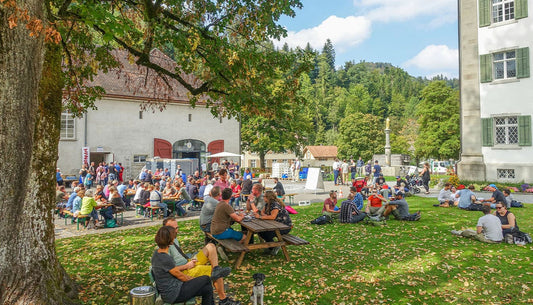
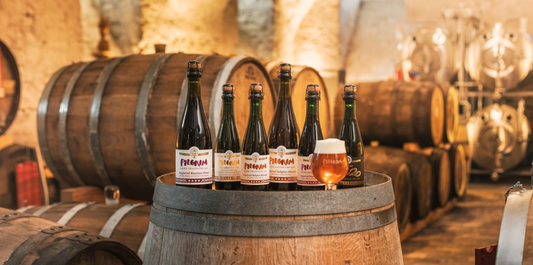
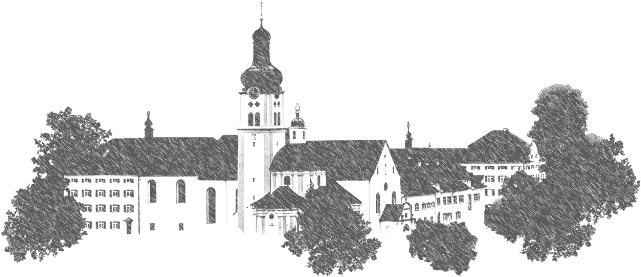
This trend of course also affects the small Fischingen monastery brewery. We are committed to the craft brewing tradition right from our location, in the Benedictine monastery in Fischingen. With our barrel-aged grand crus and abbey beers, we are going in the other direction, with alcohol in favor of taste and enjoyment - exactly as has been the custom for centuries and as the founding father of the Benedictine Order unintentionally initiated. With his rule that one should not eat anything during Lent, only drink, he founded the monastic strong beer tradition that is still alive today. We are confident that these traditional, aromatic gourmet beers are not going away. There are enough occasions in life when you reach for an enjoyable beer and not a non-alcoholic, flavored thirst quencher. We want to be there. And finally, the same applies here – it’s the quantity that counts. When consumed sensibly, the harmful effects of alcohol are limited.
In response to the welcome trend towards less alcohol, we have come up with something. We have redesigned our tried and tested recipes and beers and reduced the alcohol content by mixing the basic beers with matching non-alcoholic drinks. The results are exciting and worth seeing:
- Our tea beer is based on the Josefi Weizenbock, which we mix with black tea and coin tea. The result is an excellent thirst quencher that still has the clove-banana aroma of the Hefeweiss beer and a nice foam, but thanks to the tea it only has 2.8% alcohol.
- We use a similar method with Cherry Blanche. The mixture with organic Swiss cherry juice and sour cherries with Belgian blanche or real espresso with black stout reduces the alcohol content without destroying the beer character.
- We are proud of our Session Pale Ale Wet Hop - a weaker, warm-fermented ale that we flavor with fresh hops so that it offers the full drinking pleasure of an IPA with only 3.5% alcohol. By the way, “Sessions” are English “break beers” that are all a little weaker – you want to be sober after the break and continue working. The topic of “enjoyment with less alcohol” is an old one.
With our range of so-called “low-alc beers”, we complement our range of higher alcohol gourmet beers without polluting the environment or driving around with beers. Sure, they still contain alcohol, but in a greatly reduced amount. If that is still too unhealthy, we recommend natural Fischinger monastery water with mystical power but without any additives.
Our beers can be found in the online shop www.pilgrim.ch and in the brewery shop. The monastery water flows free from the Mariabrunnen in front of the brewery. It's worth a visit..
WAM